
Meet Arielle Bailkin, LCSW
Co-Founder of Urban Mind Psychotherapy

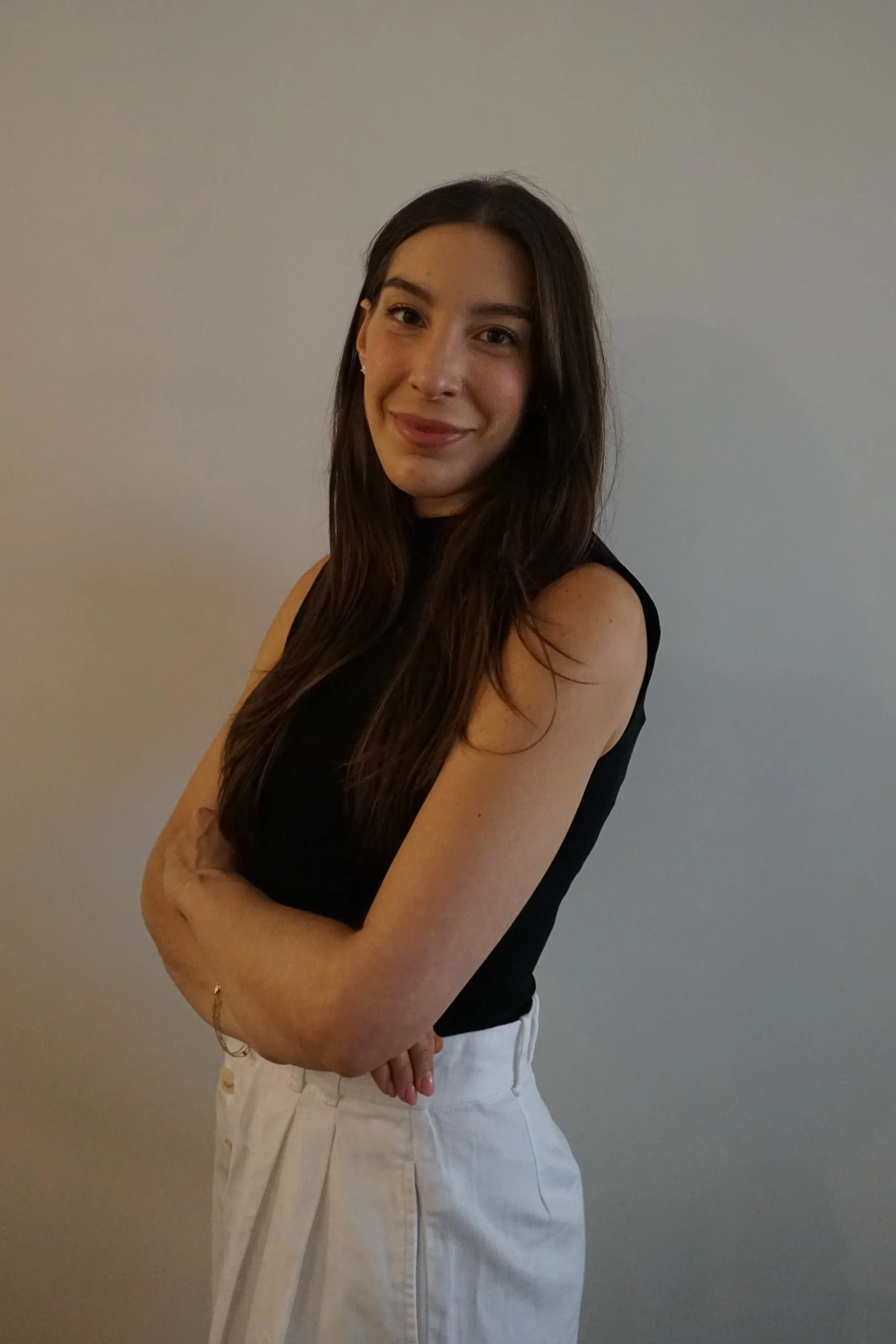
Arielle Bailkin, LCSW, works with adolescents and adults in New York City with a particular focus on ADHD, autism, emotional dysregulation, and trauma. Her practice also includes supporting clients navigating eating disorders, chronic illness, and the perinatal period, with attention to how these experiences overlap and influence one another.
Arielle’s approach is warm, direct, and radically genuine. Grounded in Dialectical Behavior Therapy (DBT), her work combines a thoughtful understanding of each client’s experiences with practical strategies for changing patterns that leave them feeling stuck. She draws from Cognitive Behavioral Therapy (CBT), EMDR, and exposure-based trauma treatments, tailoring treatment to each person’s needs and goals. Her work is neurodiversity-affirming and attentive to the ways a client’s environment, relationships, and history shape their day-to-day experience.
As a neurodivergent therapist, Arielle brings both clinical training and lived experience to her work. She is particularly interested in supporting people whose needs have been misunderstood, overlooked, or obscured by multiple diagnoses. She helps clients make sense of their experiences, develop a less critical relationship with themselves, and build skills that work for them. She also offers parent coaching and DBT skills groups to support the application of this work beyond individual sessions.
Arielle received her Master of Social Work from New York University’s Silver School of Social Work and completed DBT training through Behavioral Tech, with additional training in adolescent DBT, DBT Prolonged Exposure, and EMDR. Her clinical experience spans private practice, intensive outpatient eating disorder treatment, the Jewish Board of Family and Children’s Services, and the Institute for Community Living. Across these settings, she has provided individual and family therapy and facilitated DBT groups.
Arielle’s work with perinatal clients includes a particular interest in the intersection of neurodivergence and motherhood. Her experience as a mother with ADHD has informed her development of groups for neurodivergent mothers, addressing emotional regulation, sensory overload, shifting identity, and the demands of parenting. Across her practice, she values an active therapeutic relationship where clients can speak candidly, feel understood, and work toward meaningful changes in their lives.
Background
Clinical Training
Arielle’s clinical training is primarily grounded in Dialectical Behavior Therapy (DBT). She completed Foundational Training through Behavioral Tech and has worked in DBT-focused practice settings providing individual therapy, DBT skills groups, parent coaching, family work, and consultation-team-based care.
Arielle has completed advanced training in:
DBT, Trauma & Neurodivergence
DBT-Prolonged Exposure (DBT-PE) with Melanie Harned and Annie McCall
DBT-PTSD with Martin Bohus
Tailoring DBT for Autistic Clients with Amara Brook and Rachel Kraus.
Using DBT-PE with Autistic Individuals with Dr. Lorie Ritschel
Traumatic Invalidation in Trans and Gender Diverse Clients
EMDRIA-approved EMDR Training through Personal Transformation Institute / SAFE EMDR
EMDR for Neurodiverse Youth
Perinatal Mental Health & ADHD
Women’s Mental Health: Perinatal and Reproductive Psychiatry through Massachusetts General Hospital
Perinatal Mood and Anxiety Disorders through The Perinatal Mental Health Institute
ADHD, Pregnancy, and Motherhood with Allison S. Baker, M.D.
Eating Disorders
CBT-Ethrough CREDO
Eating Disorder Treatment for DBT Clinicians through CEBT
DBT for Binge Eating and Bulimia Nervosa with Dr. Lucene Wisniewski
MED-DBT: DBT for Multi-Diagnostic Eating Disorders through Columbia Psychiatry Continuing Education
Cognitive-Behavioral Therapy for Avoidant/Restrictive Food Intake Disorder (CBT-AR)
Broader Clinical Background
Her broader training and clinical background include training in CBT, motivational interviewing, family-based therapy, parent work, crisis intervention, polyvagal theory, and systems-informed care across school, community mental health, private practice, and higher-acuity outpatient settings.
Across trainings, Arielle’s focus is consistent: therapy that is structured, active, evidence-based, and responsive to the complexity of each client’s nervous system, history, relationships, environment, and lived experience.